
Altman vs Musk: The OpenAI Trial Devolves Into a Mudslinging Showdown
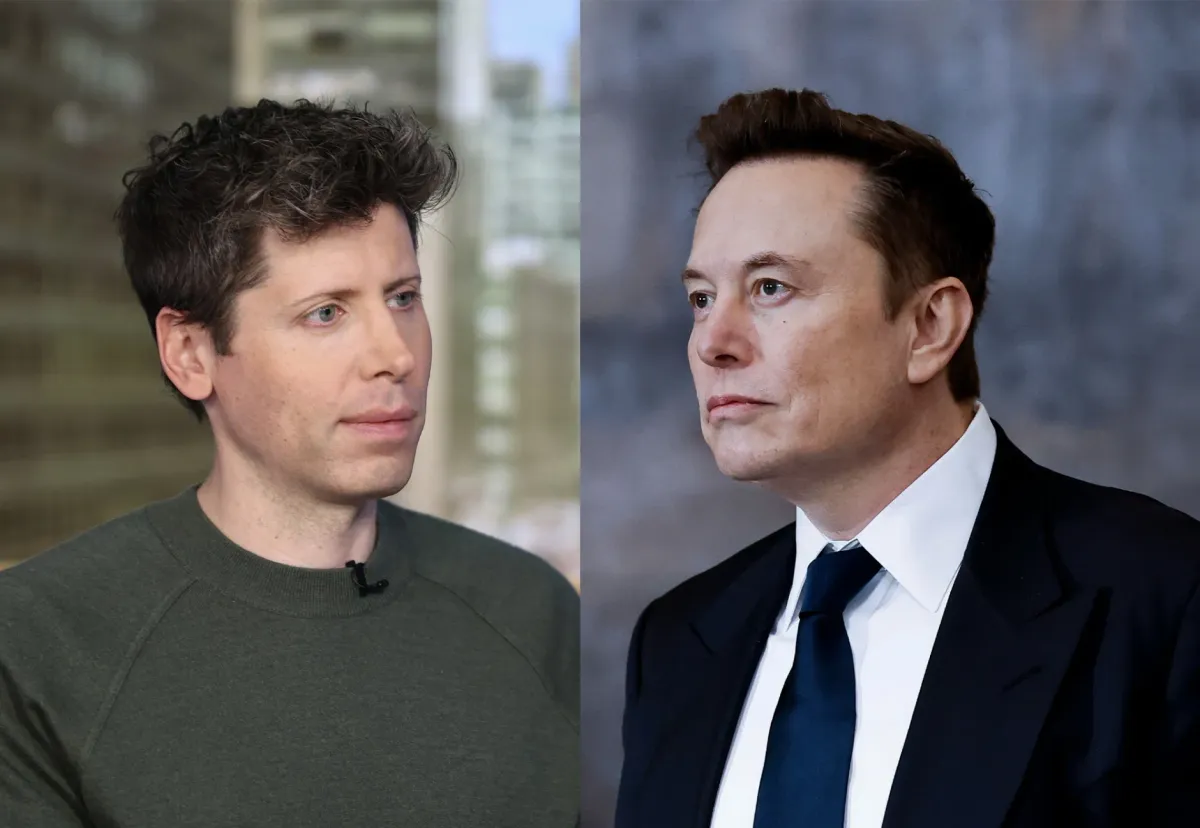
The Musk vs Altman/OpenAI trial at the Oakland federal court reaches closing arguments on May 14. The governance fight has turned into a mudslinging showdown of 'Scam Altman' posts on X, Sutskever's 'pattern of lying' memo, and Microsoft's internal email leaks.
The four-year legal battle over OpenAI has reached its final round. The Musk v. Altman/OpenAI trial at the U.S. District Court for the Northern District of California, Oakland Division, wrapped up testimony on May 13 and goes into closing arguments on May 14.
On the surface this is a governance trial over whether OpenAI betrayed its nonprofit mission. But what actually played out in and around the courtroom was uglier. Musk's 'Scam Altman' posts on X drew a judicial warning about trial-related social media, and Musk's attorneys pressed Altman as a man with a 'pattern of lying.'
Both sides pulled out emails, texts and internal memos by the box. Critical quotes from former OpenAI insiders, internal Microsoft executive concerns, a pre-trial threat text Musk sent to Greg Brockman — all surfaced as evidence. Where the legal claims thinned, mudslinging filled the gap.
Microsoft's $95 billion-scale investment in OpenAI and Altman's CEO seat both hang on the one-line answer this trial produces. Even a partial order requiring funds to be returned to the charity arm would force a redesign of the money flows that were built around the for-profit subsidiary.
Altman on the Stand — 'I Believe I Am an Honest Businessperson'

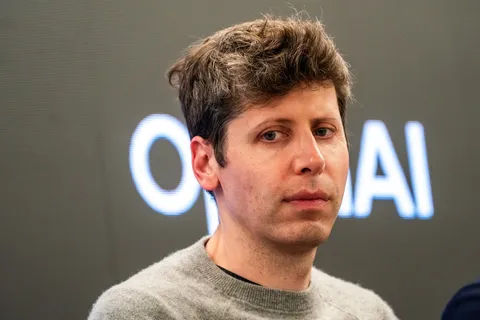
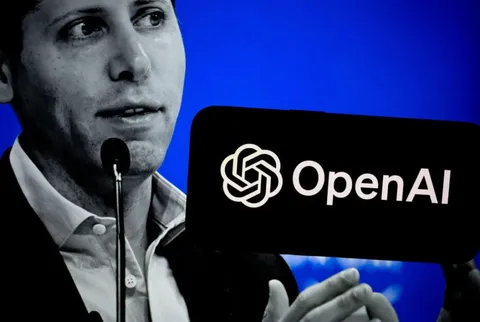
Altman testified in person on May 12. Musk's attorneys ran a sustained line of questioning, and Le Monde described Altman as 'rocked by a barrage of questions.'
What Musk's side was really attacking was Altman's credibility itself. Helen Toner's concerns about honesty, Ilya Sutskever's 2023 memo describing a 'consistent pattern of lying,' Mira Murati's account that Altman 'created chaos' — Musk's attorney rolled out statements from former OpenAI insiders in a string.
Altman pushed back directly. According to the AP, Altman said 'I believe I am an honest and trustworthy businessperson.' Ars Technica flagged the moment Altman had to publicly counter the 'prolific liar' frame as the most striking scene of the day.
Altman's answers were consistent, but consistency alone was not enough. Musk's side wasn't aiming for contradictions — it was aiming for the impression that the people closest to Altman had all said the same thing.
Musk's X Attacks and the Brockman Threat Text

Outside the courtroom, Musk repeatedly posted about Altman on X. Per the Guardian, the posts included calling Altman 'Scam Altman' and directly accusing Altman and Brockman of having 'stole a charity.' The judge warned both sides to dial back trial-related social media.
Forbes reported that Musk sent Greg Brockman a text shortly before trial trying to push a settlement. If they did not settle, Musk wrote, Altman and Brockman would become 'the most hated men in America.' At the same time, Musk was narrowing his legal claims by dropping the fraud counts.
The settlement push and the public attack hitting at the same moment shows the two-pronged shape of Musk's strategy. Legally, narrow the claims and lift win probability. Publicly, lean on personal attacks to pressure OpenAI.
Microsoft's Internal Emails Surface, Too

The trial also pulled in Microsoft's internal emails. According to Windows Central, court-revealed messages showed Microsoft executives worrying that OpenAI might jump to Amazon Web Services, and discussing the risk that OpenAI could badmouth Azure.
Microsoft executives also debated internally whether OpenAI was actually worth the massive compute investment. The candid views of the executives behind the $95 billion-scale investment structure were now court evidence.
The fraud claims were voluntarily dropped on April 25. Bloomberg reported that Musk withdrew them just before trial, narrowing 26 claims down to two. Fraud requires proving intent, and OpenAI could point to the fact that it publicly stood up its for-profit subsidiary in 2019 — a heavy evidentiary lift.
The two surviving claims focus on breach of nonprofit obligations. 'Breach of contract' and 'breach of fiduciary duty' carry a lower evidentiary threshold than fraud. The claims got narrower, but the volume of mudslinging only grew. That is the defining feature of this trial.
Advisory Jury and the May 18 Clock

One detail worth flagging. The jury in this trial is an 'advisory jury.' Non-binding. The final legal determination and any decision on remedies or damages all sit with Judge Yvonne Gonzalez Rogers.
SFGate reports testimony in the liability phase wrapped on May 13, with deliberations expected to begin on May 18 after closing arguments. Axios said closing arguments themselves are set for Thursday, May 14.
Advisory juries are common in governance cases. The structure lets the judge borrow the jury's intuition while taking direct responsibility for the complex fiduciary and contractual analysis. The impression created by the mudslinging may influence the advisory verdict, but the final ruling rests on one judge's legal analysis.
Judge Yvonne Gonzalez Rogers presided over Epic vs Apple and has a known feel for big-tech governance jurisprudence. In front of a judge like that, the effect of personal attacks is generally limited.
Whoever Wins, OpenAI's Governance Won't Look the Same Again
This trial may look like a private feud between two billionaires, but it is the first time a U.S. federal court has seriously taken up how far an AI company can go in converting from a nonprofit origin to a for-profit structure. Whatever the ruling, it will be cited in future AI governance standards.
If OpenAI wins, the for-profit conversion model becomes a 'validated path.' Anthropic, xAI, and the next wave of pre-IPO AI startups can adopt the same structure with more confidence. If Musk wins even partially, both the $95 billion-scale Microsoft investment structure and OpenAI's IPO roadmap go under redesign pressure.
Testimony is done, closing arguments are next, and deliberations start on May 18. How much of the mudslinging actually makes it into the written ruling is still unknown, but one thing is clear: whoever wins when the ruling drops, OpenAI's governance will not be able to return to what it was.
- Associated Press - In a trial pitting him against Elon Musk, nobody has more to lose than OpenAI CEO Sam Altman
- Ars Technica - Altman forced to confront claims at OpenAI trial that he's a prolific liar
- The Guardian - Musk v OpenAI: Sam Altman testifies in trial over for-profit conversion
- Forbes - Musk Suggested Settling With OpenAI Just Before Trial, Then Went On Attack
- Windows Central - Microsoft feared OpenAI might jump to Amazon and badmouth Azure
- Bloomberg - Musk Drops Fraud Claims Against OpenAI, Altman Ahead of Trial
- SFGate - Oakland: Testimony closes in liability phase of Musk-OpenAI trial