
xAI Trade Secret Suit Tossed; Musk Loses Again
A California court permanently dismissed xAI's trade secret suit against OpenAI, finding no proof that OpenAI itself directed the theft of Grok's code.
Elon Musk's xAI has lost its trade secret lawsuit against OpenAI for good. On June 15, US District Judge Rita Lin of the Northern District of California dismissed the case with prejudice, barring xAI from refiling the claims (Reuters).
Although the lawsuit was initially dismissed in February and subsequently revived through an amended complaint, Judge Lin ruled that further revisions would be futile. This decision marks Musk's second major courtroom defeat within a month.
Grok Source Code at the Heart of the Dispute
The legal battle began in September 2025 when xAI accused OpenAI of orchestrating a systematic campaign to poach at least eight of its engineers. Through this, xAI claimed, OpenAI acquired core proprietary secrets behind the Grok chatbot. The departures coincided with a steady outflow of key talent at xAI.
The complaint identified senior engineer Xuechen Li as a central figure. xAI argued that OpenAI targeted the source code of Grok 4, released in July 2025, as well as its reinforcement learning and post-training methodologies. According to xAI, OpenAI lagged behind in these critical technical areas and resorted to poaching to bridge the gap. At the center of it all sat the Grok source code, the crown jewel Elon Musk accused OpenAI of chasing.
Where Judge Rita Lin Drew the Line Twice

However, translating these claims into a viable legal case proved difficult. In her initial dismissal on February 24, Judge Lin noted that xAI failed to plausibly allege any specific wrongdoing committed by OpenAI itself.
She distinguished between an employee taking trade secrets and a competitor actively inducing the theft or knowingly exploiting those secrets. Because the initial complaint lacked facts regarding OpenAI's corporate conduct, the judge dismissed it but allowed xAI to amend its claims.
Although xAI filed an amended complaint on March 17, the court's stance remained unchanged. Judge Lin ruled that xAI still failed to show that OpenAI induced Li to share secrets during recruitment, or that OpenAI's engineers knew they were using stolen data. Under trade secret law, an employee's possession of information does not automatically make the new employer liable.
A Second Legal Defeat in a Single Month
What stings for Musk is the timing. A month earlier, he had already lost once.
On May 18, a federal jury in Oakland unanimously rejected Musk's separate lawsuit accusing OpenAI of breaching its founding nonprofit agreement. The jury took just two hours to find that all claims were barred by the statute of limitations. Musk dismissed the verdict as a 'calendar technicality' and vowed to appeal to the US Court of Appeals for the Ninth Circuit.
OpenAI has consistently characterized the trade secret lawsuit as a form of harassment. In court filings, the company stated it 'does not need or want anyone's trade secrets, especially not from xAI.' Since xAI has yet to announce whether it will appeal the June 15 dismissal, Musk remains set back on both legal fronts. For Elon Musk, the back-to-back defeats hand OpenAI a clean sweep in their courtroom rivalry. This trade secret dismissal closes the dispute over the Grok source code without any court finding against OpenAI.
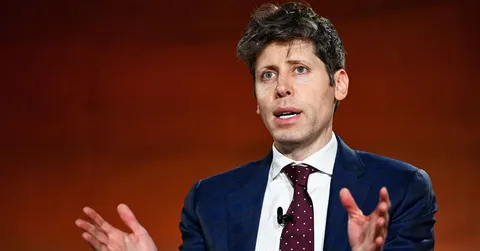
- Reuters - OpenAI wins dismissal of trade secret lawsuit by Musk's xAI
- Al Jazeera - US judge dismisses Musk's xAI trade secret lawsuit against OpenAI
- Courthouse News - Judge tosses xAI claims that OpenAI stole trade secrets
- Bloomberg Law - OpenAI Again Defeats xAI Trade Secrets Suit Over Code, Ex-Staff
- CNBC - Judge dismisses xAI trade secrets lawsuit against rival OpenAI, for now