
US Eyes AI Equity Stakes for Public Dividends
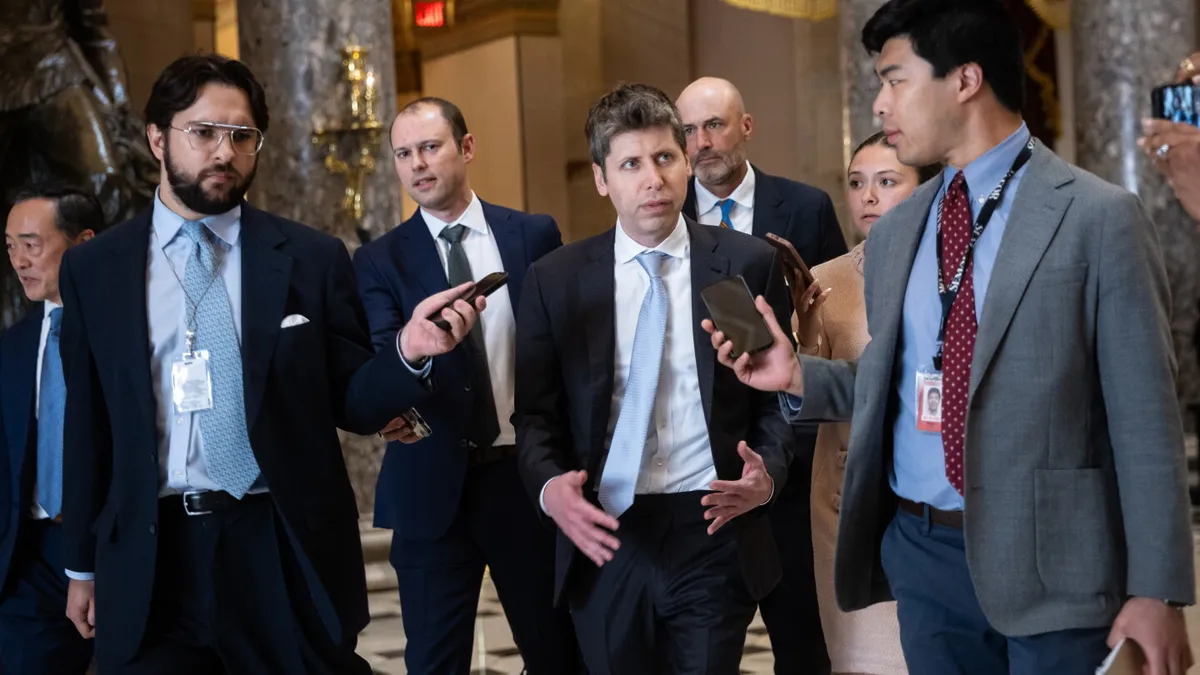
Trump officials held early talks about taking equity stakes in major AI firms, with returns distributed as dividends to American households.
The Trump administration has discussed purchasing equity stakes in OpenAI and other leading artificial intelligence firms ahead of their landmark IPO. Investigative outlet NOTUS first reported the plans on June 4, citing sources familiar with the matter, with Reuters confirming the details the following day.
The proposed framework is voluntary rather than a forced nationalization. Under the plan, AI developers would cede equity stakes to the government, which would channel the investment returns into a public trust. One source noted that those returns could fund a direct dividend to every American household. Such an AI dividend would spread the gains widely. These discussions come as OpenAI and Anthropic prepare for a historic IPO.
Altman's Direct Proposal to Trump
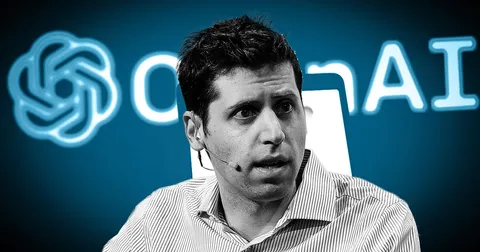
Sam Altman, CEO of OpenAI, has been the primary advocate for the plan. According to sources, Altman has discussed the concept with senior officials since Trump's second term began, pitching it directly to the president in early 2025. He revived the proposal in recent weeks, presenting it as a mechanism to distribute AI's economic gains to the public.
The outlines of Altman's vision appeared in an OpenAI policy paper published in April. Under the goal of ensuring superintelligence benefits all of humanity, the company proposed a 'Public Wealth Fund' to distribute AI profits to citizens as a dividend. The initiative aims to grant citizens who do not invest in financial markets a stake in AI-driven economic growth. The ongoing talks effectively elevate that proposal into active policy discussion just as OpenAI advances toward its own IPO.
The Precedent Set by Trump's Intel Investment

The administration has shown interest in Altman's proposal because Trump has pursued partial state ownership of domestic companies more aggressively than his predecessors. The federal government has acquired stakes in at least ten firms. Its investment in Intel—hailed by the White House as a direct windfall for taxpayers—has seen its share price quadruple since the acquisition. Trump has publicly voiced hope for similar deals and privately argued that taxpayers deserve a share of AI's returns, a stance that gains urgency as the AI IPO wave nears.
The timing coincides with major market developments. Both OpenAI and Anthropic are preparing for a massive IPO. Anthropic confidentially filed for a US listing around June 1, while OpenAI is exploring an IPO that could value the company at nearly 1 trillion dollars. However, a source clarified that Anthropic is not participating in discussions about the government taking equity in the firm.
When the Government Becomes Both Shareholder and Regulator
Anthropic's distance is logical, particularly with its own IPO approaching. When the government becomes a shareholder in an AI developer, significant conflicts of interest arise. A regulatory body that is simultaneously a shareholder in the firm it oversees creates mixed incentives. Nat Purser of Public Knowledge warned that a government shareholder might hesitate to enforce safety rules if doing so threatens the value of its portfolio. Critics also worry about the risk of taxpayer-funded bailouts and the lack of a clear legal mechanism for transferring private equity to the state.
Public opinion also pressures the industry. A recent Quinnipiac poll showed 55% of Americans believe AI will cause more harm than good, while local opposition to data centers slows infrastructure expansion. Surprisingly, politicians from both ends of the spectrum agree on state intervention. Senator Bernie Sanders proposed that the government acquire 50% equity stakes in AI companies to establish federal control. Steve Bannon echoed this figure, calling for a 50% share to be distributed directly to citizens as a dividend. That dividend, he argued, would reach every household. Conversely, Jennifer Huddleston of the Cato Institute criticized the policy, warning against the government picking winners and losers in the market.
While these discussions remain in their infancy, the fact that the White House is debating public equity in leading AI developers as they race toward a record IPO is historic. It signals that the debate over who controls and benefits from AI-generated wealth — over how much equity the public should hold, and whether those gains arrive as a public dividend — has reached the highest levels of government.

- NOTUS - Senior U.S. Officials Eye Government Shares in AI Giants
- Reuters - US officials eye government stakes in AI companies, NOTUS reports
- Reuters - AI giant Anthropic confidentially files for US IPO
- The New York Times - OpenAI Lays Groundwork for an Eventual I.P.O.
- Intel - Intel and Trump Administration Reach Historic Agreement