
The Agent Mix: One Orchestrator, Many Models
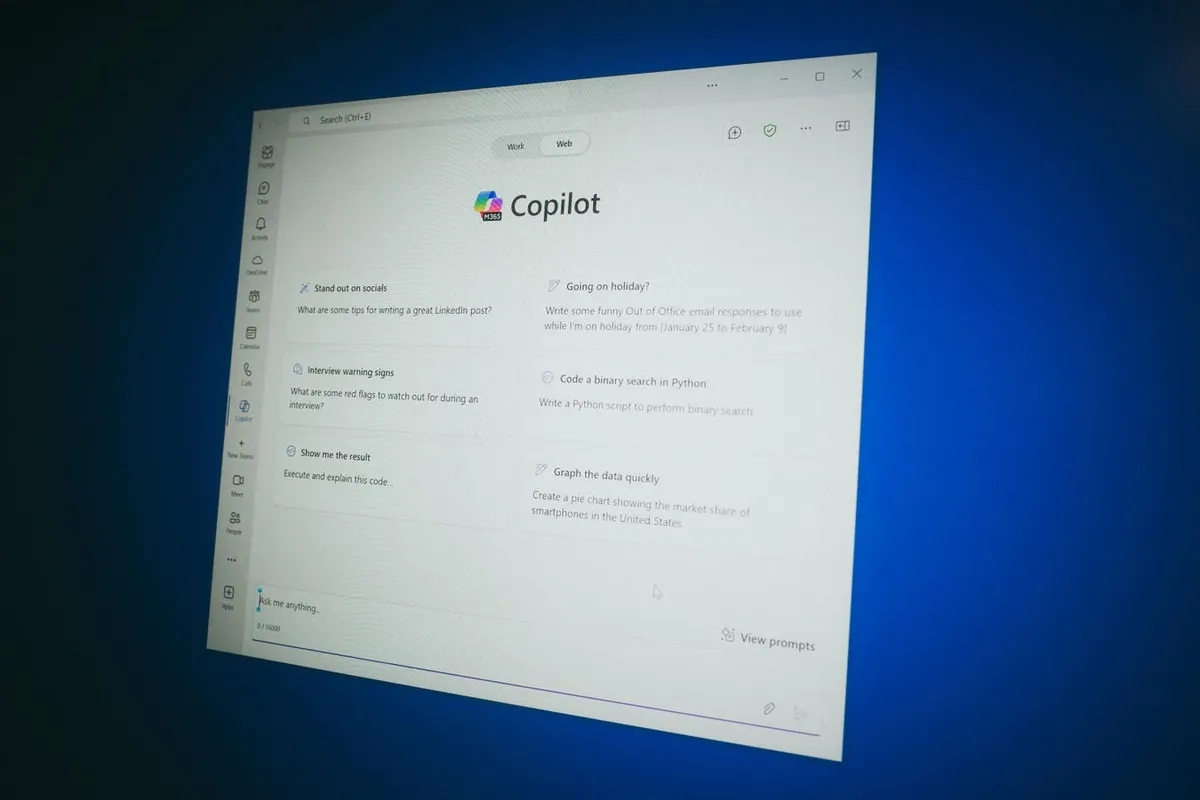
The era of the single AI model is fading. Costly frontier models now orchestrate cheaper task-specific ones, uniting Grok, Gemini, GPT, and DeepSeek.
In 2026, the assumption that a single AI model can do everything is breaking down. As token fees from frontier labs like Anthropic and OpenAI rise, a new design pattern is becoming the industry standard: a main model orchestrates task-specific models in what is known as an 'agent mix.'
This shift is driven by two developments. Orchestrators have become sophisticated enough to delegate tasks reliably, and developers have confirmed that executing tasks with cheaper models does not compromise output quality. Restricting the frontier model to planning and verification while routing the bulk of the workload to budget models can reduce token costs by 5 to 10 times.
Why Mix Now: Token Costs and Multi-Model Routing
The primary driver behind this mix is cost. Unlike simple chatbots, autonomous agents consume 10 to 100 times more tokens per task because they must read files, edit code, execute commands, and run for minutes or even hours. Output tokens for top-tier models like Claude Opus cost several times more than input tokens, causing operational bills to scale directly with workload. For an autonomous AI agent, that token cost compounds with every single step.
Financial pressure also mounts from less visible changes. When providers update their tokenizers, the same text can consume more tokens, quietly increasing bills even when official pricing remains unchanged. OpenAI's recent moves toward token price reductions are directly linked to this industry pressure.
As the need to mix models grew, the supporting infrastructure matured in tandem. Integration platforms like OpenRouter and LiteLLM wrap models from competing providers into unified, OpenAI-compatible interfaces, automatically routing queries based on cost, latency, and availability. Developer tools like Claude Code also increasingly support subagent delegation as a native feature. This infrastructure has sharply lowered the barrier to assembling a multi-model setup from rival vendors.
Task-Specific Strengths: Grok, Gemini, GPT, and DeepSeek

With these tools available, the primary challenge is determining which model to assign to each specific task. Performance scores among leading models have converged within single-digit margins on most benchmarks. Selecting a single 'best' overall model has become less relevant; instead, developer expertise lies in matching models to their optimal workloads.
A typical optimization lineup distributes tasks strategically. Search is routed to Grok for its real-time capabilities. Frontend development and image generation leverage Gemini due to its multimodal strengths. Backend tasks go to GPT to benefit from its mature API ecosystem. Heavy code generation and execution are assigned to DeepSeek for its minimal cost, while Claude Opus serves as the central orchestrator, directing the workflow and managing document-heavy tasks.
| Model | Seat | Strength |
|---|---|---|
| Grok | Search | Real-time web and social |
| Gemini | Frontend, image generation | Multimodal and vision |
| GPT | Backend | Mature API ecosystem, tool calls |
| DeepSeek | Worker | Bulk generation and execution, unbeatable cost |
| Opus | Orchestrator, office | Planning, review, document work |
The cornerstone of this distribution is the cost efficiency of DeepSeek. Because the worker tier consumes the highest volume of tokens, deploying DeepSeek, the least expensive capable model, there significantly reduces the overall operating expense. According to a cost comparison, DeepSeek delivers comparable code quality at a fraction of the cost of frontier models. Assigning 80 to 90 percent of the workload to budget-tier models is what makes the agent mix financially viable. In a multi-model setup, that DeepSeek cost gap is the entire point.
Industry Signals: Microsoft Cuts Licenses, Uber Bundles Models
Microsoft provided a clear example of this financial math. By late June, the company withdrew the majority of Claude Code licenses from its roughly 100,000 engineers, transitioning them to its in-house Copilot tool. The decision was driven entirely by the need to manage escalating token costs.
The strategy extends beyond license reductions. To lower Copilot's operational expenses, Microsoft is also weighing cheaper models like DeepSeek for the backend, a path it is now actively exploring. Rather than routing every query to expensive frontier models, splitting the multi-model load between a high-end orchestrator and low-cost execution mirrors the core logic of the agent mix.
Uber has taken integration a step further. The company implemented a GenAI Gateway that encapsulates models from various providers behind a unified, OpenAI-style API. This centralized access point allows developers to call any model identically and hot-swap them based on cost and performance. Consequently, an enterprise with tens of thousands of employees now operates on a multi-model infrastructure as a default.
The Orchestrator Decides: Wiring the Agent Mix
While theoretical combinations look promising, actual performance depends entirely on how the orchestrator manages the workflow. The most frequent error is allowing the orchestrator model to write code directly. The initial optimization step is to specify in the configuration file that the model must delegate code creation rather than generate it.
It is also critical to account for the higher error rates of low-cost models. The orchestrator must review every output and route complex tasks to more capable models when errors persist. Furthermore, uploading an entire codebase to a subagent wastes tokens even at budget rates, making the precise curation of context a necessary practice.
The era of relying on a single AI provider is ending. Platforms that bundle multiple models into one team — such as OpenRouter's Fusion — are already in production. And the payoff is not only cost. In OpenRouter's own benchmarks, an answer judged and synthesized from several models consistently scored higher than any single model's response — mix well, and the bill falls while quality actually rises.
As the agent mix becomes standard, the competitive advantage is moving from which specific model is used to how effectively developers wire a multi-model stack together.



- The Verge - Microsoft starts canceling Claude Code licenses
- Uber Engineering - Uber's Innovation with GenAI Gateway
- evolink - Best LLM for Coding Agents: API Cost, Tool Use, and Reliability Compared
- MindStudio - How to Use a Smart Orchestrator Model to Direct Cheaper Sub-Agents
- BuildFastWithAI - Every AI Model Compared: Best One Per Task (2026)