
Windows Local AI Opens Up to Nvidia RTX GPUs
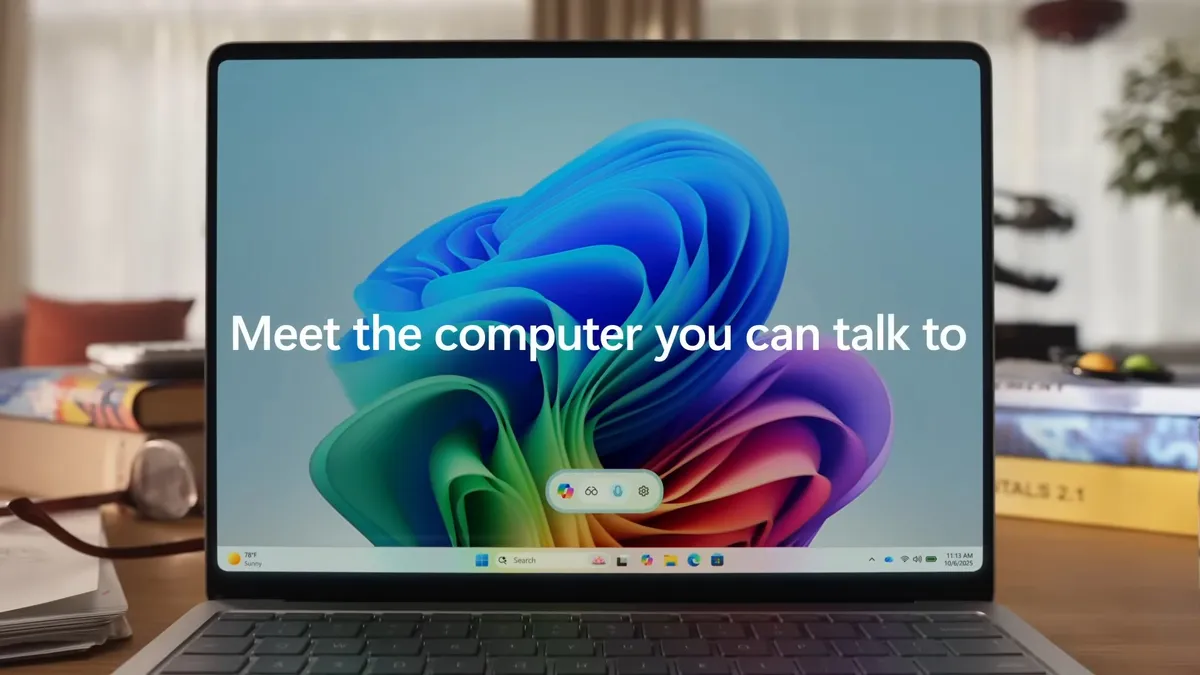
Microsoft now lets Windows 11's local Language Model APIs run on Nvidia RTX 30+ GPUs with 6GB VRAM, eroding the Copilot+ PC's NPU-only exclusivity.
Microsoft is lowering the hardware barrier for local AI on Windows. According to Windows App SDK documentation published on June 11, the Language Model APIs—previously exclusive to Copilot+ PCs—can now run on Nvidia GeForce RTX 30-series or newer GPUs with at least 6GB of VRAM.
The change, first spotted by Windows Latest, is labeled 'experimental.' Its significance, however, is substantial: it marks the first official exception to the 40 TOPS NPU requirement that has defined the Copilot+ PC category since its debut in June 2024.
The Copilot+ NPU Monopoly
The baseline requirements for a Copilot+ PC were 16GB of RAM, an SSD, and an NPU delivering at least 40 TOPS. Local AI features in Windows 11—such as Recall, Click to Do, and semantic search—remained locked behind this NPU requirement, excluding even high-end desktops equipped with powerful discrete GPUs.
At the center of this expansion is Phi Silica, Microsoft’s small language model. When an application calls the Language Model APIs, Windows Update downloads Phi Silica to run locally on the Nvidia GeForce RTX GPU. Tasks like summarization, text rewriting, table conversion, and prompt generation now execute entirely on-device without cloud latency.
For now, Phi Silica access is limited to the developer layer, and features like Recall and Click to Do still require an NPU. Nevertheless, the shift signals the beginning of the end for Copilot+ exclusivity.
Signals from Build 2026

This transition was foreshadowed earlier this month at Microsoft Build 2026. CEO Satya Nadella announced that developers can now target 'the full scope of GPUs' via Windows ML, expanding local AI to the entire Windows install base. Notably, the Copilot+ PC brand was scarcely mentioned during the keynote.
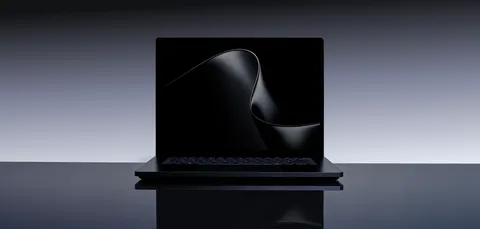
Microsoft's product strategy reflects this shift. The company’s new Edge-integrated small language model, Aion-1.0-Instruct, runs on standard GPUs and CPUs without requiring an NPU. After reviewing the Surface Laptop Ultra at the event, PCMag characterized the shift by writing that Copilot+ PCs 'no longer matter.'
Other hardware baselines are also shifting. Following Apple's release of the MacBook Neo with 8GB of RAM for $599, Microsoft introduced an 8GB Surface Laptop for Business, quietly retreating from its previously strict 16GB RAM minimum.
Nvidia's Strategic Gains

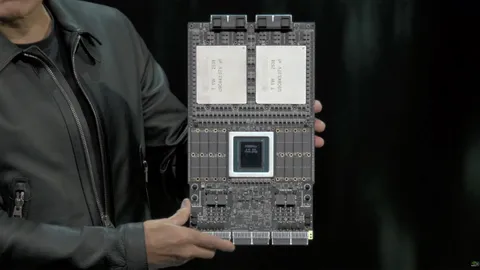
Nvidia stands as the primary beneficiary of this expansion. At GTC Taipei on May 31, the chipmaker unveiled RTX Spark, a co-developed 'superchip' combining 1 petaflop of AI compute with up to 128GB of unified memory. Partners including ASUS, Dell, HP, Lenovo, MSI, and Microsoft itself will ship RTX Spark-equipped systems this fall.
'For forty years, you launched apps. Click. Type. With RTX Spark and Microsoft Windows, you ask—and the PC does the work,' Nvidia CEO Jensen Huang announced via the Nvidia newsroom. The companies are also co-developing Windows security primitives and a dedicated runtime to run on-device agents securely.
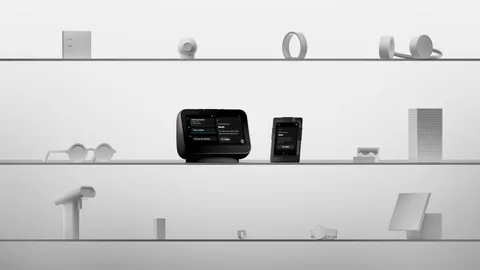
This strategy aligns existing and future hardware. Tens of millions of active PCs with Nvidia GeForce RTX GPUs are now positioned to run Windows local AI, while next-generation hardware targets the premium market with dedicated agent silicon. As the baseline for Windows local AI shifts away from the NPU requirement toward general compute capability, the Copilot+ PC brand loses its exclusive foundation.
- Windows Latest - Microsoft is killing the Copilot+ PC advantage, brings Windows 11's local AI to RTX 30+ PCs with 6GB vRAM
- PCMag - At Build 2026, Microsoft Sent a Clear Message: Copilot+ PCs No Longer Matter
- TechRadar - Microsoft is bringing AI features to more Windows 11 PCs
- TechSpot - Microsoft is now letting Nvidia GPUs run local AI features that were locked to Copilot+ PCs
- NVIDIA Newsroom - NVIDIA and Microsoft Reinvent Windows PCs for the Age of Personal AI